


Gamified PSHE learning, with the teaching pack to support it
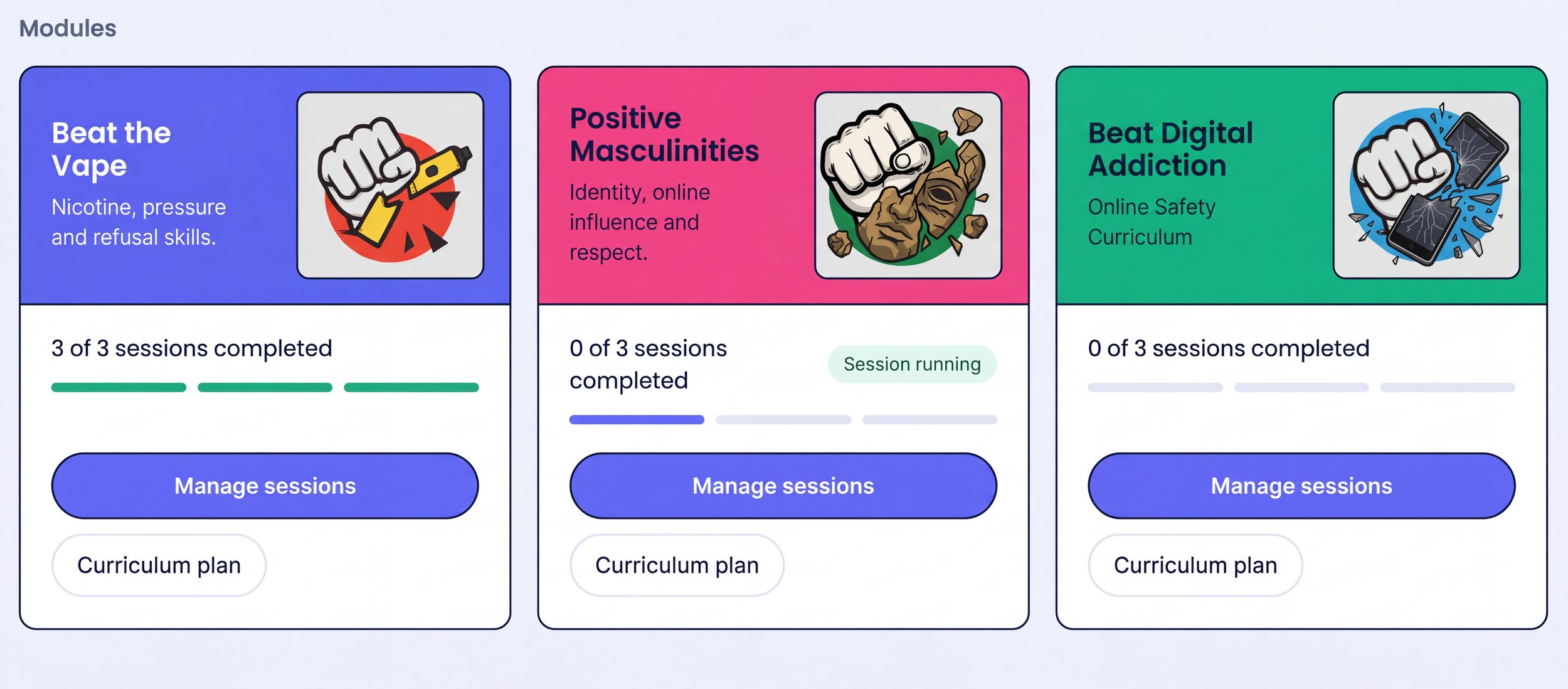
Choose ready-to-teach resources on vaping and positive masculinities, with separate content for KS3 and KS4.
Beat the Vape
Pupils learn about vaping and nicotine dependence, question misleading claims and see how social and commercial pressure shapes choices. They practise assertive responses and know where to find a trusted adult.
-
Introduces health risks and nicotine dependence. Pupils examine common myths and practise distinguishing a claim from the evidence that would support it.
-
Explores how advertising, social norms and peer pressure can make vaping seem normal. Guided scenarios give pupils opportunities to practise saying no and explain an assertive response.
-
Considers emotional, social and environmental triggers. Pupils explore coping strategies, ways to leave a difficult situation and how to seek support from a trusted adult.
The Beat the Vape learning journey
Both key stages have three lessons. KS3 moves from checking health claims to recognising influence and choosing a response to pressure. KS4 develops causal explanations, tests what evidence supports and builds a practical plan.
-
Personal safety and managing risk
KS3 · Session 1
Explain aerosol and dependence, question an unsupported claim, and give a safe response.
-
Online safety, media literacy and early coping awareness
KS3 · Session 2
Recognise promotional clues, notice habits and compare practical alternatives and costs.
-
Managing influence, refusal skills and trigger awareness
KS3 · Session 3
Compare refusal strategies and connect a trigger with a coping response and support.
-
Health choices and wellbeing
KS4 · Session 1
Explain how dependence works and evaluate health claims with appropriate uncertainty.
-
Media literacy and responses to pressure
KS4 · Session 2
Analyse linked commercial clues and justify a response when social pressure continues.
-
Triggers, behaviour change, coping and support
KS4 · Session 3
Use knowledge and skills, surroundings and motivation to explain a barrier. Build an if then plan, name support and revise it after a setback.
Positive Masculinities
Pupils explore expectations of boys and men, online influence and respectful relationships, with clear teaching on sexism, misogyny and harm to women and girls.
-
Pupils evaluate the impact of stereotypes about boys and girls. They distinguish observations from stereotypes, examine assumptions and justify a fairer alternative.
-
Pupils analyse how expectations of boys and men might affect people and the role of positive influences. They examine peer pressure, exclusion and online messages that turn hurt into blame.
-
Pupils evaluate different approaches to dealing with harmful behaviour. They consider loneliness, body image, manipulation and conflict, then compare possible bystander responses and justify a safe choice.
The Positive Masculinities learning journey
The sessions build knowledge and give pupils opportunities to apply it. KS3 follows Recognise, Analyse, Act. KS4 asks pupils to analyse evidence, evaluate explanations and apply their understanding to more complex decisions.
-
Where do our ideas about boys and girls come from?
KS3 · Session 1 · Recognise
Recognise beliefs and stereotypes, explain their effects and justify a fairer alternative.
-
Who makes the rules?
KS3 · Session 2 · Analyse
Analyse how peer pressure and online messages reinforce expectations. Explain positive influences.
-
What choices can we make?
KS3 · Session 3 · Act
Examine wellbeing, manipulation and conflict. Compare bystander responses and justify a safe choice.
-
Beliefs, evidence and systems
KS4 · Session 1
Build on the KS3 foundations by analysing evidence and how wider expectations reinforce beliefs.
-
Relationships, harm and responsibility
KS4 · Session 2
Apply concepts to more complex relationship and online situations, including consent, coercive control and image-based harms.
-
The full system and personal agency
KS4 · Session 3
Evaluate how social influences, body-image pressure and personal choices interact, and justify responses to more complex situations.
Beat Digital Addiction
Our next module will address the design features, commercial pressures and online messages that shape digital habits. Planned learning connects critical media literacy with personal boundaries, privacy and knowing when to seek human support.
-
Planned Session 1 will explore features such as infinite scroll, streaks and notifications, asking pupils to consider how these influence attention and how they might set healthy boundaries.
-
Planned Session 2 will examine targeted advertising, loot boxes and simulated gambling, with opportunities to assess online spending risks and question commercial messages.
-
Planned Session 3 will ask pupils to evaluate online claims and recognise the limitations of AI chatbots, including responses that appear emotionally understanding. Pupils will consider privacy and situations where they need help from a trusted person.
A complete teaching pack for every available module
The pack gives classroom teachers, PSHE leads and school leaders a shared view of the learning. These documents accompany each available module and the relevant key stage.
-
A clear introduction to the topic, intended learning and approach to teaching. Use it to explain the purpose of the module and decide whether it addresses your pupils’ needs.
-
The medium-term overview shows the content, objective, outcomes and assessment opportunities for each session. It helps you see the sequence as a whole and place it within your wider scheme of work.
-
Each session has a plan with preparation, key vocabulary, a teaching sequence and prompts for discussion. The plans include starters, reflection and plenary tasks, with guidance on misconceptions, assessment criteria and next steps.
-
Pupil slides for each session follow the plan and give the class a shared focus. A bank of activity templates supports the teaching around the videos, with review questions, modelled answers, vocabulary tasks and prompts for discussing an image or scenario. Drop a template into your slides and adapt it for your pupils.
-
See how learning develops across the sessions and from KS3 to KS4. Use the journey to identify prior knowledge, revisit important ideas and plan increasing depth and challenge.
-
See which parts of RSHE in England the module contributes to, where the learning takes place and what assessment evidence can show. The map also identifies limits of coverage so leaders can plan the wider provision.
-
A concise guide to the module’s purpose, delivery and evidence of learning. It supports conversations about why the school chose the resource, how it fits the curriculum and what pupils can explain afterwards.
-
Clear answers about the module content, teaching approach, sensitive topics and safeguarding arrangements. Use the information to explain the learning to families and support conversations between school and home.
Create space for discussion and reflection
-
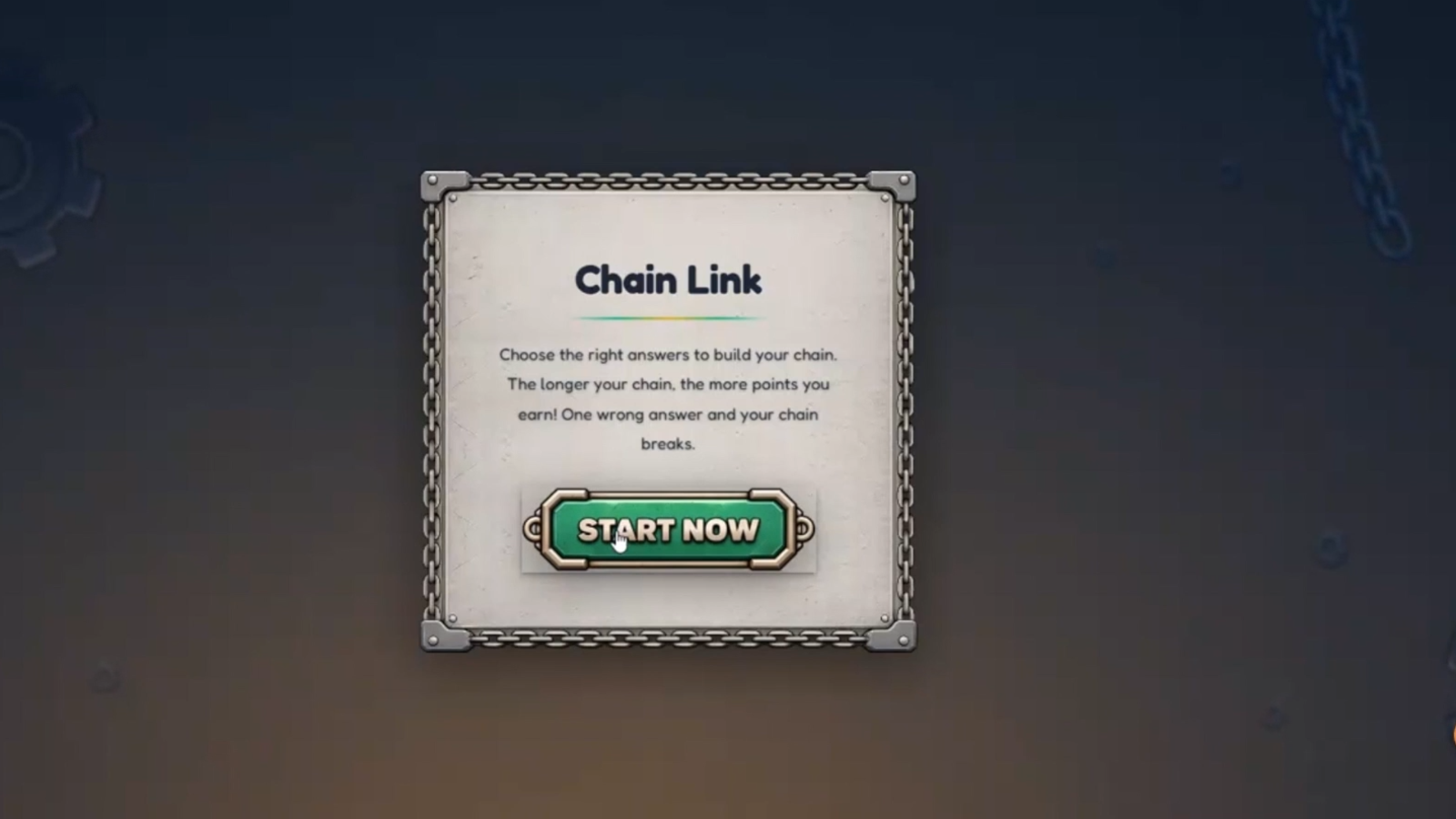
Chain Link
Pupils choose the right answers to build their chain. One wrong answer and the chain breaks, so every claim gets a second look.
-
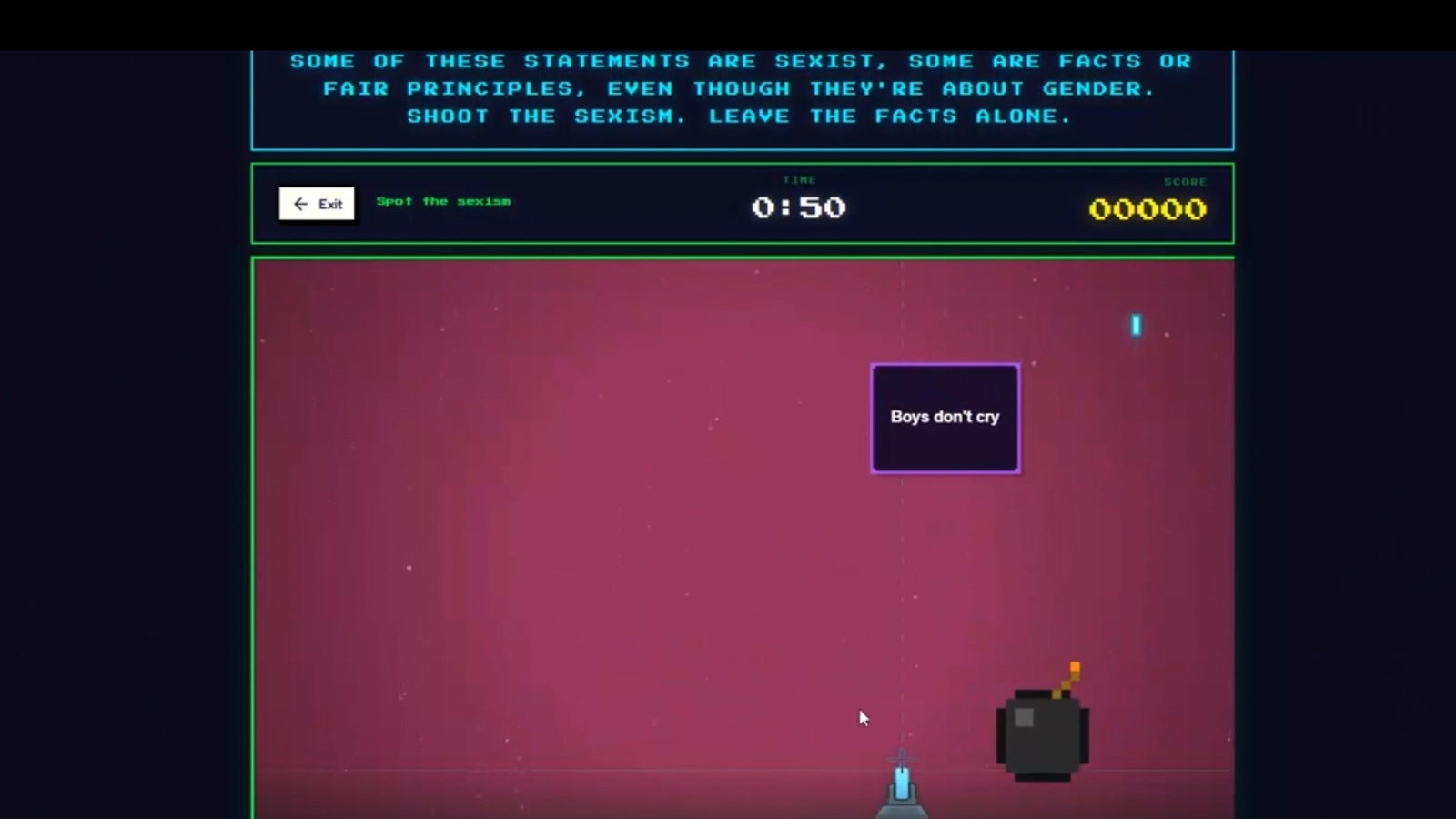
Masculinity Invaders
Some statements are sexist. Others are facts or fair principles, even though they are about gender. Pupils shoot the sexism and leave the facts alone.
-
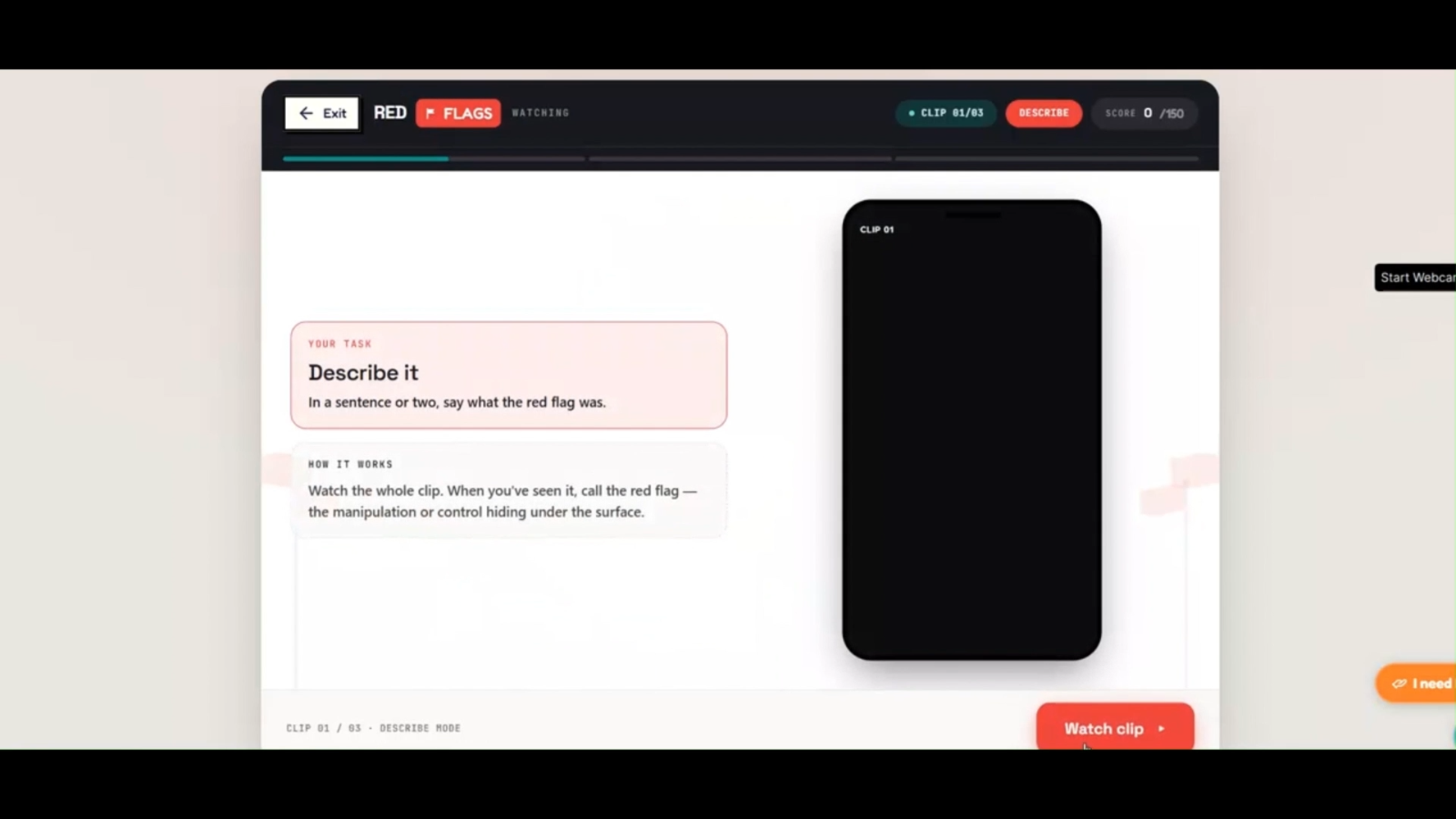
Red Flags
Pupils watch a clip, then describe the red flag in a sentence or two: the manipulation or control hiding under the surface.
-
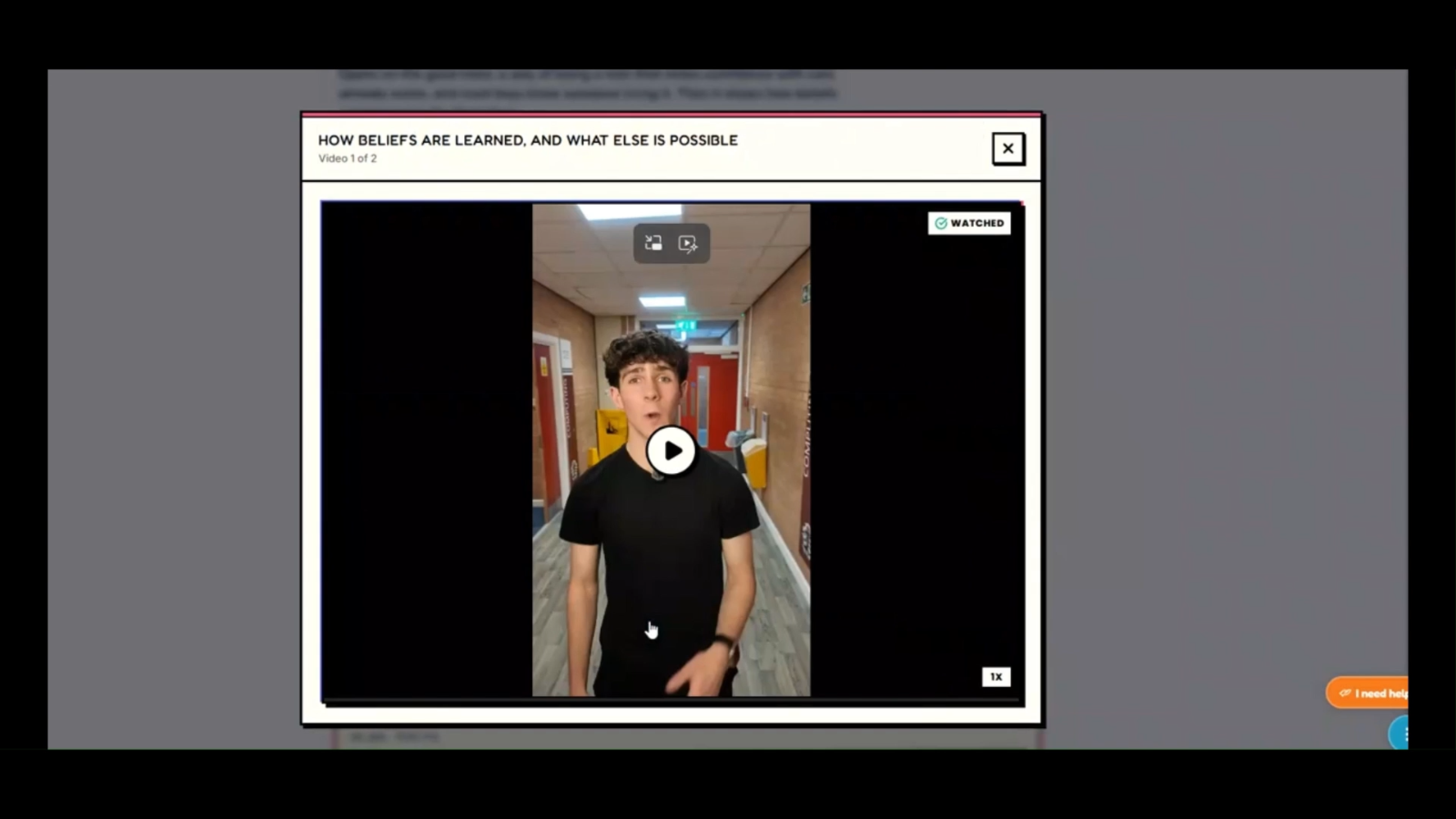
Videos featuring young people
Short videos give the class a shared starting point. Teachers pause at planned points to hear different perspectives.
-
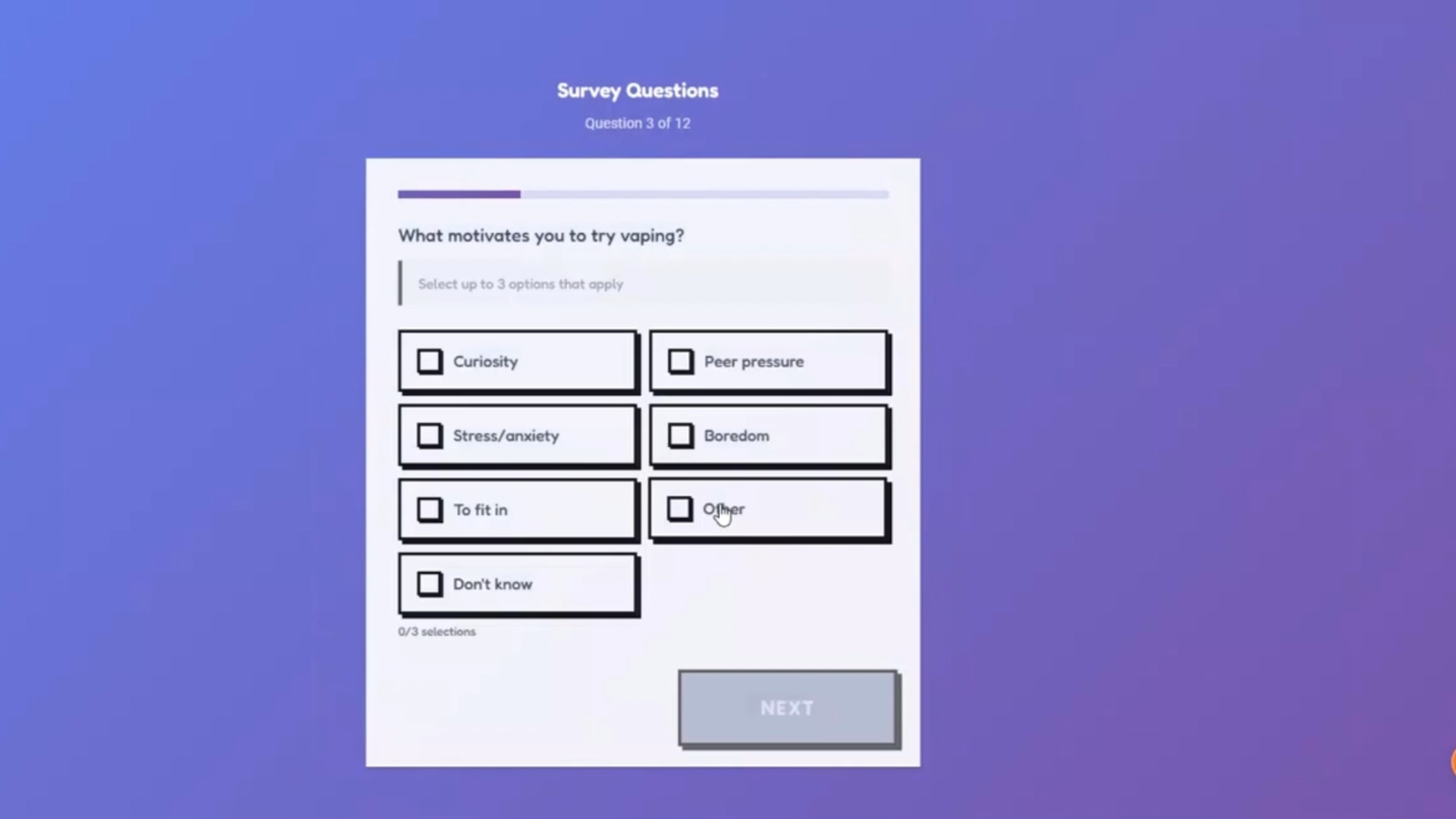
Check starting points
Short survey questions show what pupils think before the teaching starts, so staff know which ideas to explain or revisit.
-
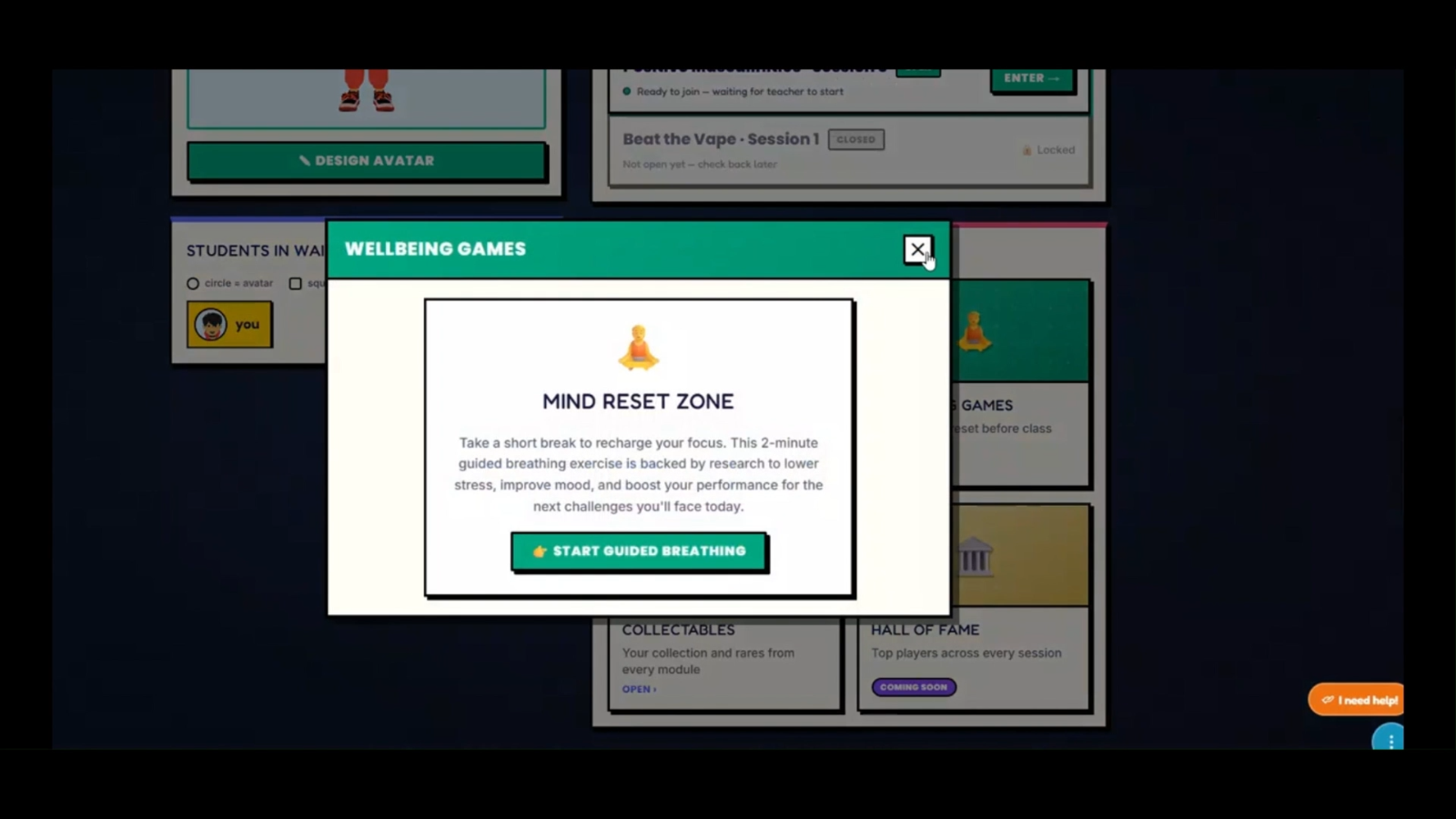
Mind Reset Zone
A two minute guided breathing exercise pupils can use to recharge before the next challenge.