

Bring pupil activities and teacher guidance into one learning sequence
See what you will teach and how to prepare
Explore the learning sequence, teaching guidance and curriculum links for your chosen module and key stage.
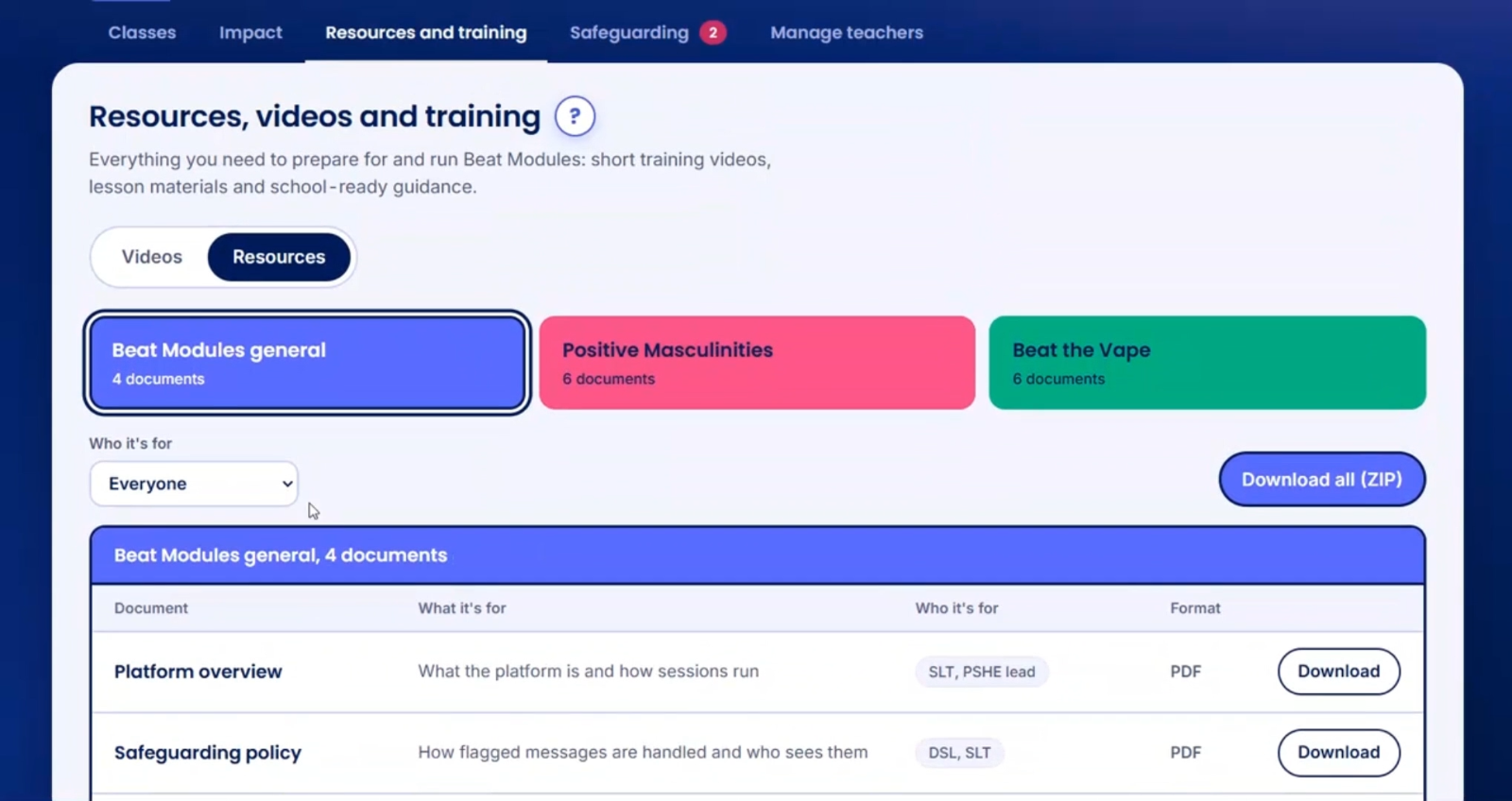
Session plans with learning aims and suggested questions
A curriculum overview and learning journey
Curriculum mapping
Guidance for school leaders
Information for parents and carers
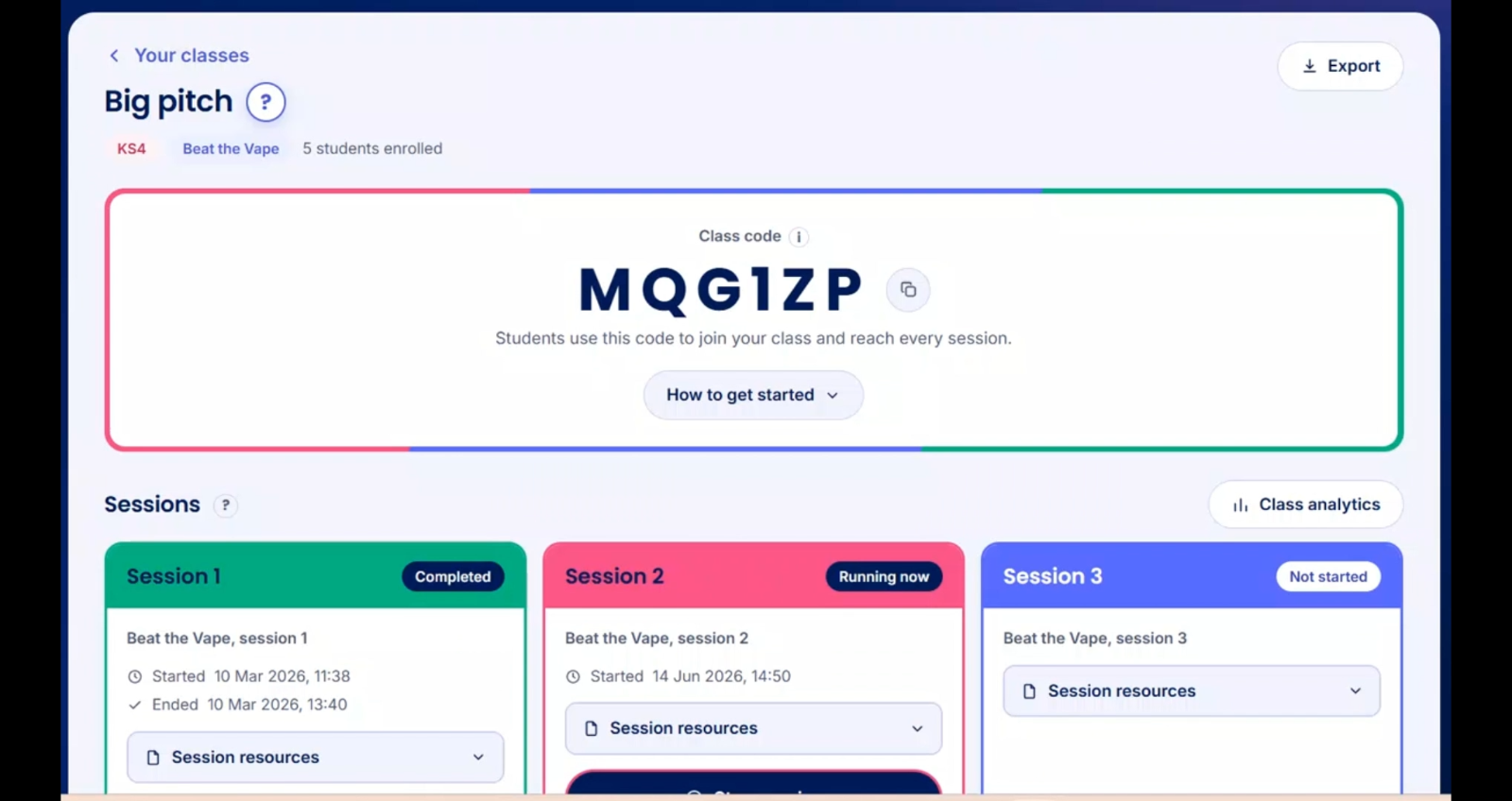
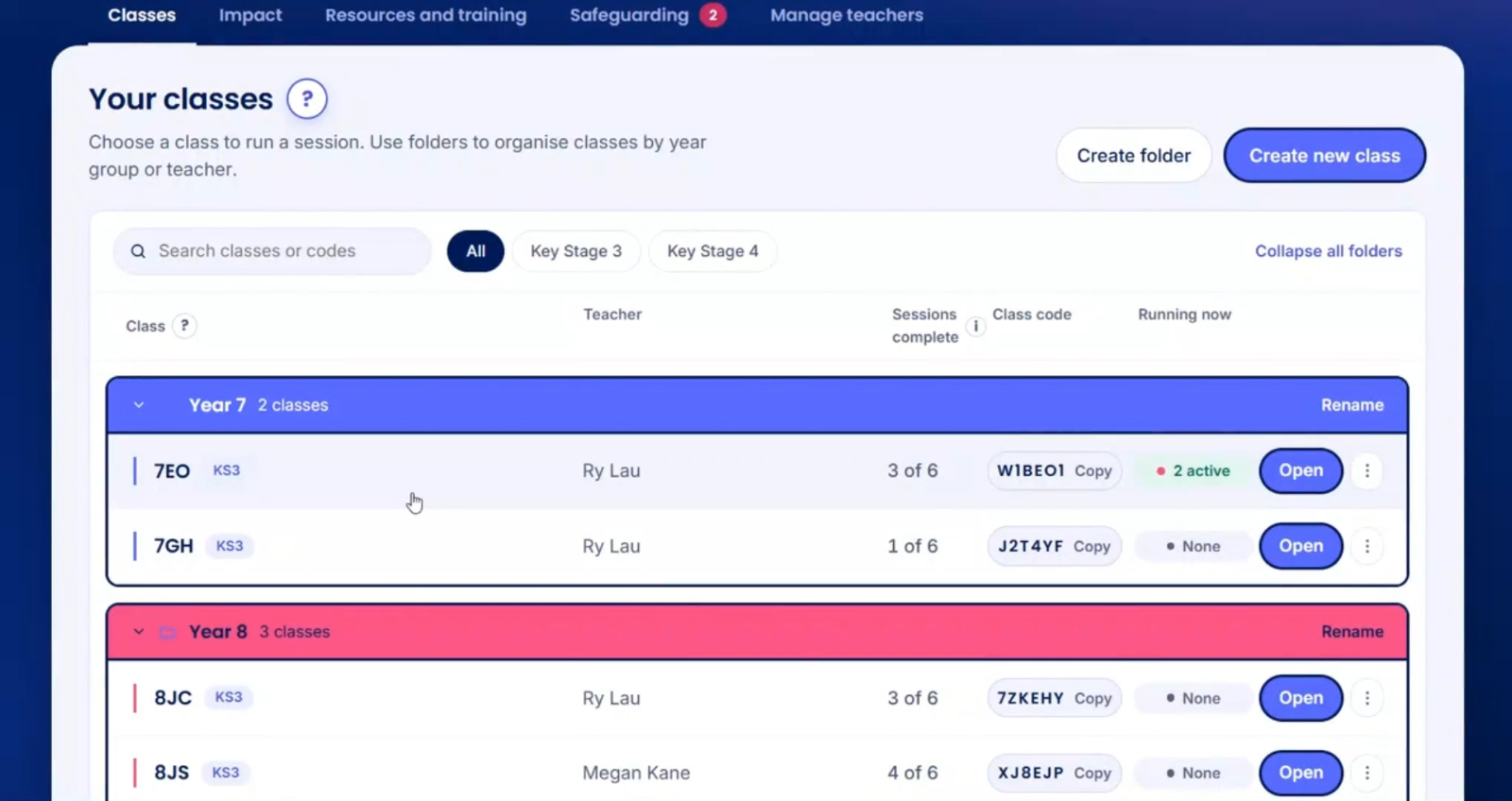
One learning sequence for pupils and teachers
-
Choose the module and key stage, then review the curriculum overview, learning journey and session plans. Each available module has a supporting teaching pack, including statutory contribution mapping, a leader crib sheet and parent and carer information.
-
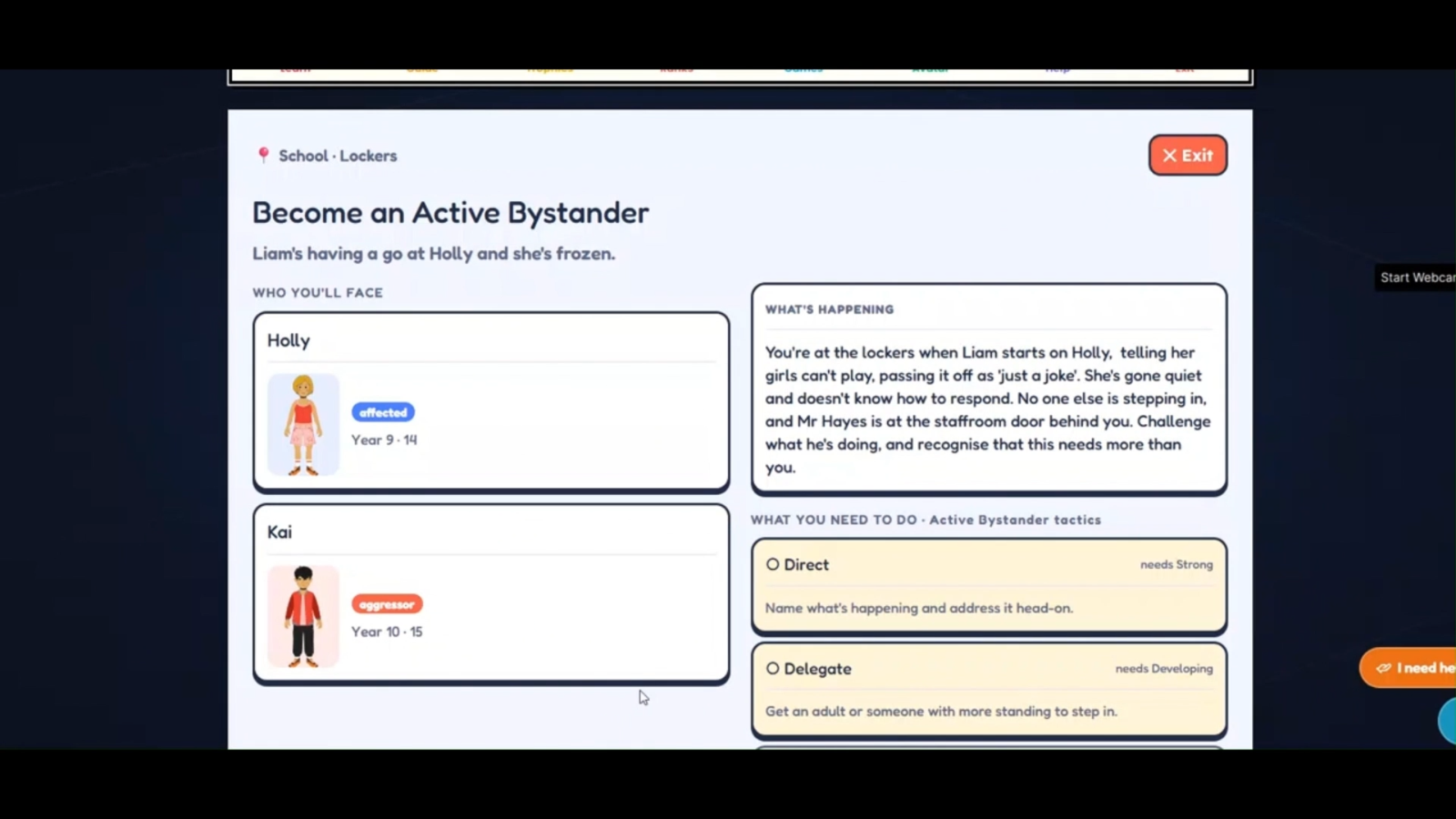
The activities give pupils different ways to work with an idea. They might sort a statement, match a definition, sequence what happens in a scenario or justify a response. Short videos introduce perspectives for discussion.
-
Digital activities sit within a teacher-guided lesson. The session plan identifies where to pause, return to class discussion and check understanding. Teachers can explain a term again, challenge a misconception or ask pupils to consider a different response.
Use assessment to decide what happens next
Check pupils’ starting points, revisit important ideas and consider the reasoning in their exit tasks.
-
A clear learning objective connects the lesson activities with what pupils should be increasingly able to explain or do. Success is considered through pupils’ reasoning: identifying a misconception, applying an idea to a new example or justifying a response. Suggested answer criteria help teachers decide when to revisit the learning or introduce more challenge.
-
The session plans connect assessment tasks with the learning objective and include examples of sufficient reasoning. In Positive Masculinities KS3, pupils may explain why an online message turns a real feeling into an unfair claim, or compare two bystander responses and justify the safer choice.
-
Review the reading demands and accessibility options before teaching. The plans include approaches such as keeping vocabulary visible, reading a scenario aloud and using sentence stems. Give pupils time to think, and accept an oral explanation where appropriate.
-
Use activity responses, assessment tasks and classroom discussion to build a picture of pupils’ learning. Compare starting points with later explanations, identify misconceptions and decide what needs revisiting.
-
Pupils explore fictional examples rather than being asked to disclose personal experiences. Staff follow their school’s safeguarding procedures if a concern arises. Platform questions and responses are not monitored as a safeguarding reporting route.
-
Use the materials to plan explanations and engage pupils in discussion where their reasoning can be heard. Teachers can anticipate misconceptions and decide where the class needs more support or challenge, drawing on their subject knowledge and understanding of the pupils they teach.
Strengthen your whole-school approach to personal development
Connect learning about health, influence and relationships with what pupils experience across school life. The resources sit inside your existing curriculum and pastoral provision.
-
See how each module maps to your curriculum
Ask us for the curriculum mapping for your module and key stage. It sets out the learning aims, the order of sessions, where assessment happens and how the module supports your statutory RSHE provision in England.
-
Connect lessons with pastoral priorities
If vaping, peer pressure or harmful online influence is a concern in your school, the modules give you an early educational response that sits alongside pastoral support and school policies.
-
Keep parents and carers informed
Each module comes with parent and carer FAQs explaining what pupils learn, why the examples are fictional and how pupils can get help.
-
Fit it to your pupils and setting
Start with your curriculum priorities and what the group already knows. If you work in a resource base or alternative provision, talk to us about content, delivery and access before choosing a module.
Prepare, sign in and see it with your school in mind
Tick off each step to see what it involves.
-
Preview the session on your school network and check the devices and headphones pupils will use. Review the content, planned stopping points and support arrangements so the class knows when to work independently and when to return to discussion.
-
Teachers sign in with their email address and password. Pupils join using the class code provided by their teacher, then create a username and PIN. The teacher remains responsible for supervising the session and helping pupils follow the agreed learning sequence.
-
Tell us which module, key stage and pupil needs you are considering. We will show you an activity and the supporting documents, then discuss preparation, assessment and how the learning could fit within your school’s provision.