

Why Beat Modules is the most engaging personal development provider out there!
Unsurprisingly, I'm biased. I'll admit that up front.
But give me a few minutes to explain why we build personal development differently, why we are not like other health and well-being providers, and why 90% of the young people we've surveyed recommend it to their peers.
The engagement problem
Here is a shocking fact: schools weren't designed around how humans learn. Lectures, worksheets, static lessons, and textbook Personal, Social, Health and Economic Education (PSHE) don't tap what makes learning stick, and teachers know it. Almost every PSHE lead I've spoken to has a drawer of external resources that did what they said on paper, made the school compliant, but everyone involved quietly knew the students weren't engaging and nothing was going to change.
This matters more than it first looks. Humans are born with a drive to learn. It's one of the most well-evidenced findings in developmental psychology. Ryan and Deci's Self-Determination Theory, 40 years of research on curiosity, and neuroscience on how the brain rewards novelty all converge on the same point.
Children don't need to be bribed to learn. They do it for free.
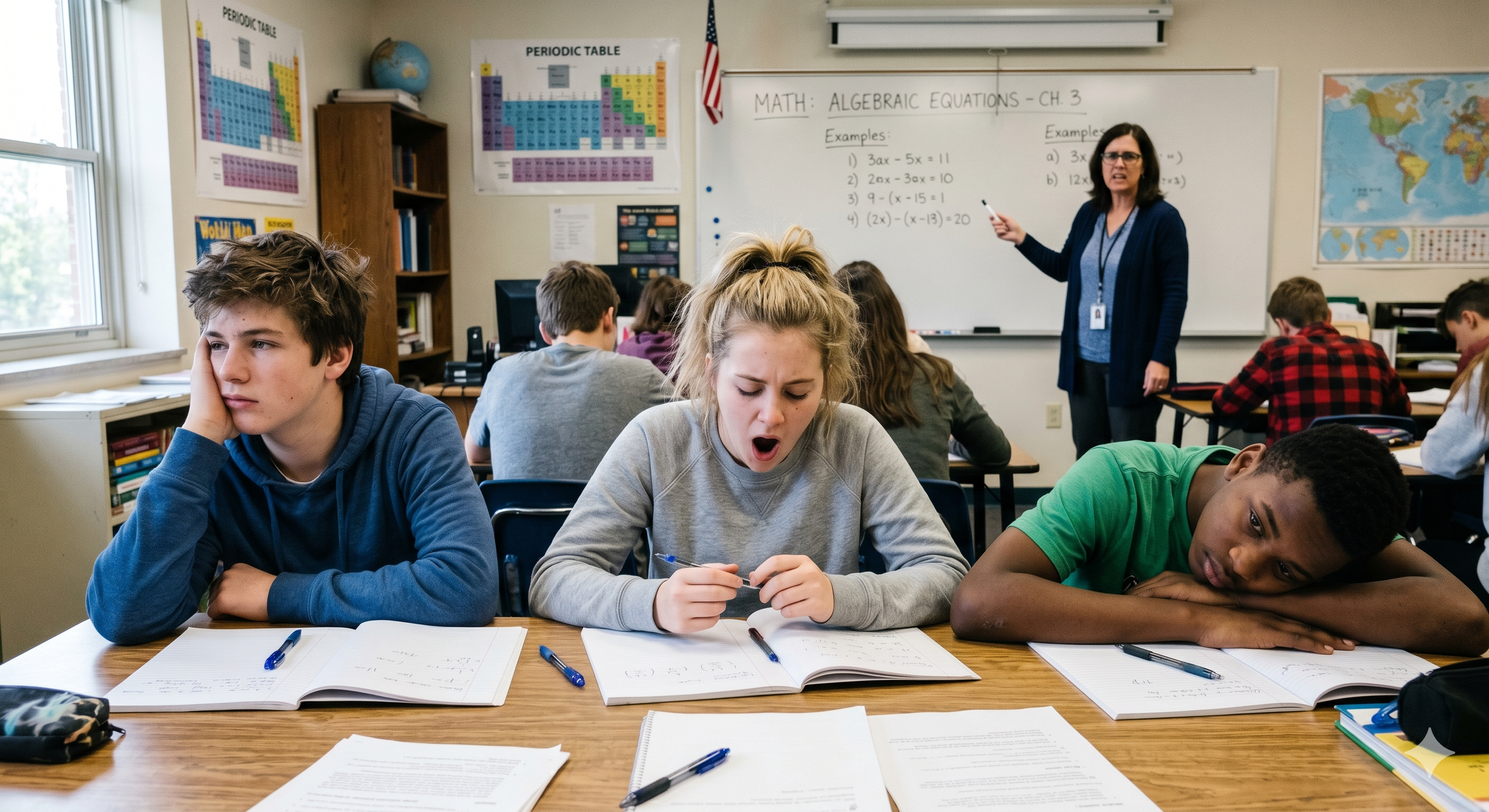
But here's the uncomfortable bit. Study after study shows intrinsic motivation to learn actually declines across school years, with the sharpest drop in adolescence, exactly the age group PSHE is aimed at. The more time young people spend in school, the less they tend to learn for their own sake. Researchers put this down to classroom environments that fail to support three basic needs: autonomy, competence, and relatedness. Meanwhile, the digital games industry, which has existed for only 50 years, has figured out how to get adolescents to voluntarily spend 1,000’s of hours on games in their spare. Same teens, same drive, but designed to actually engage.
So who is Beat Modules?
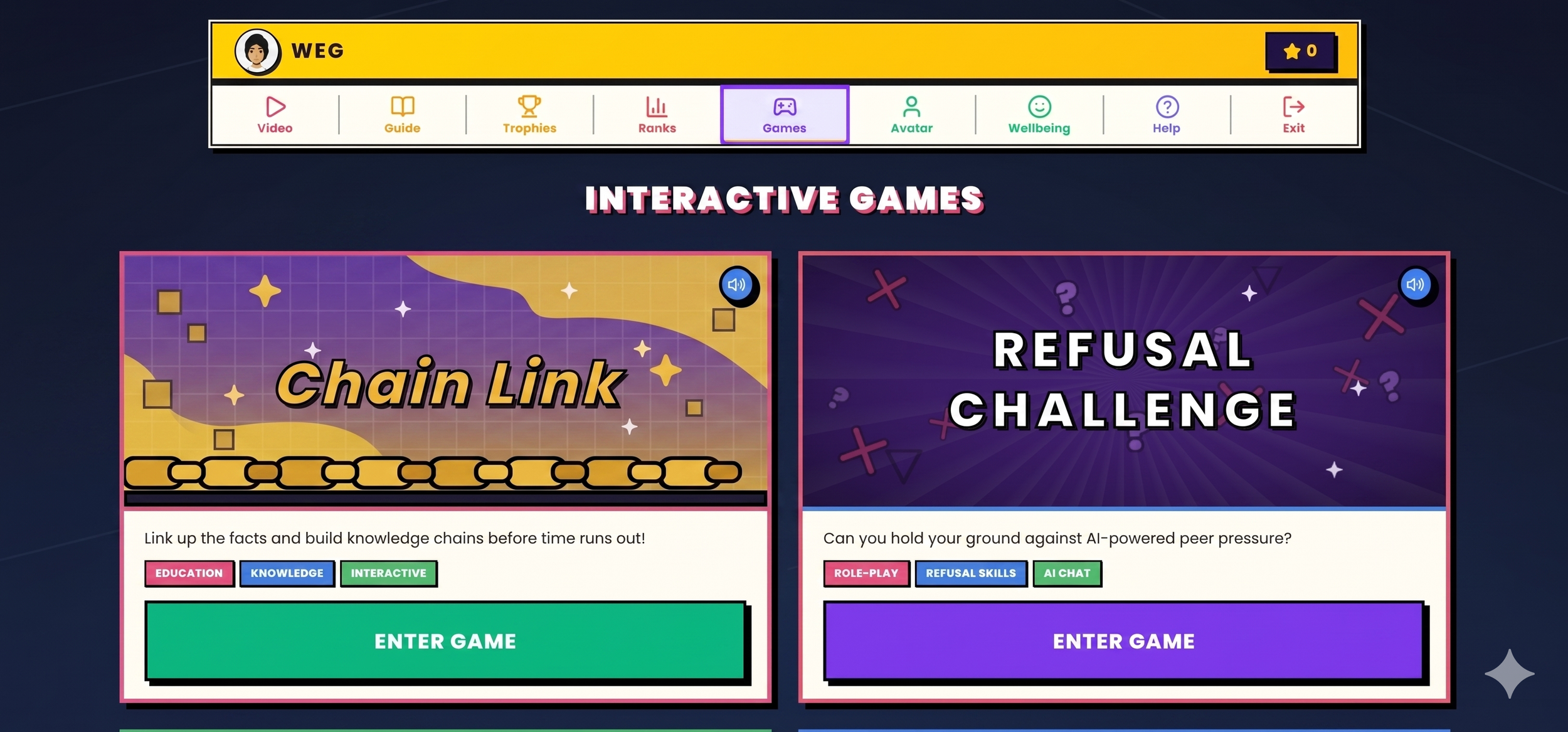
Beat Modules is an all-in-one digital PSHE platform built for UK secondary schools and designed for young people from the ground up. Each module contains 3 sessions on a specific area of personal development, such as Vaping and Positive Masculinities, with Digital Wellbeing, Anti-Racism, and Anxiety and Depression modules on the way.
In every session, students work through peer-led videos, interactive quizzes, puzzles and educational games that test their knowledge and build real-world skills, all while competing live with their class, school and the world. A teacher dashboard tracks each student's progress and generates instant impact reports after every session. We pack the whole thing with gamification (human-based design) features because that's what gets young people to actually engage with the platform, and when they're engaged, they learn.
Designed around how students actually learn
Beat Modules started from a simple idea: learning should be as engaging as it is effective. To build that, we spent months reading gamification research, talking to academics, and sitting down with behaviour change experts. One question we kept coming back to was:
What actually makes an 11- to 16-year-old engage with and want to learn complex voluntary content?
We found that most schools and curriculum providers start with the curriculum and then try to just make it digestible. We worked the opposite way round. Start with what teenagers respond to, then build the health education into it.
What makes people pay attention isn't a mystery. Psychologists call them behavioural drives: the handful of things humans are wired to pursue regardless of age, culture, or background. A good example I like reading about is Yu-kai Chou's Octalysis framework, which maps human motivation onto eight core drives: Epic Meaning, Development and Accomplishment, Empowerment of Creativity and Feedback, Ownership and Possession, Social Influence and Relatedness, Scarcity, Unpredictability and Curiosity, and Loss and Avoidance. Games that actually succeed tend to stack at least a few of these together.
Beat Modules leans into five of them. Empowerment of Creativity (our avatar builder), Development and Accomplishment (our points and levels), Ownership and Possession (badges and collectibles), Social Influence and Relatedness (live leaderboards and national rankings), and Unpredictability and Curiosity (mystery card mechanics). On top of that, we've built a sixth principle around how content actually gets delivered. The magic isn't in any one of them, though. It's in the way they interact with each other.
Let's go through each one in more detail.
Self-expression
Self-expression is the drive to show others who you are. It's one of the strongest engagement mechanisms we know of, and every successful platform aimed at young people uses it: Fortnite, Roblox, Snapchat, TikTok. Students spend hours customising avatars and profiles because being seen as themselves matters more than almost anything else at that age. PSHE tools almost never touch it.
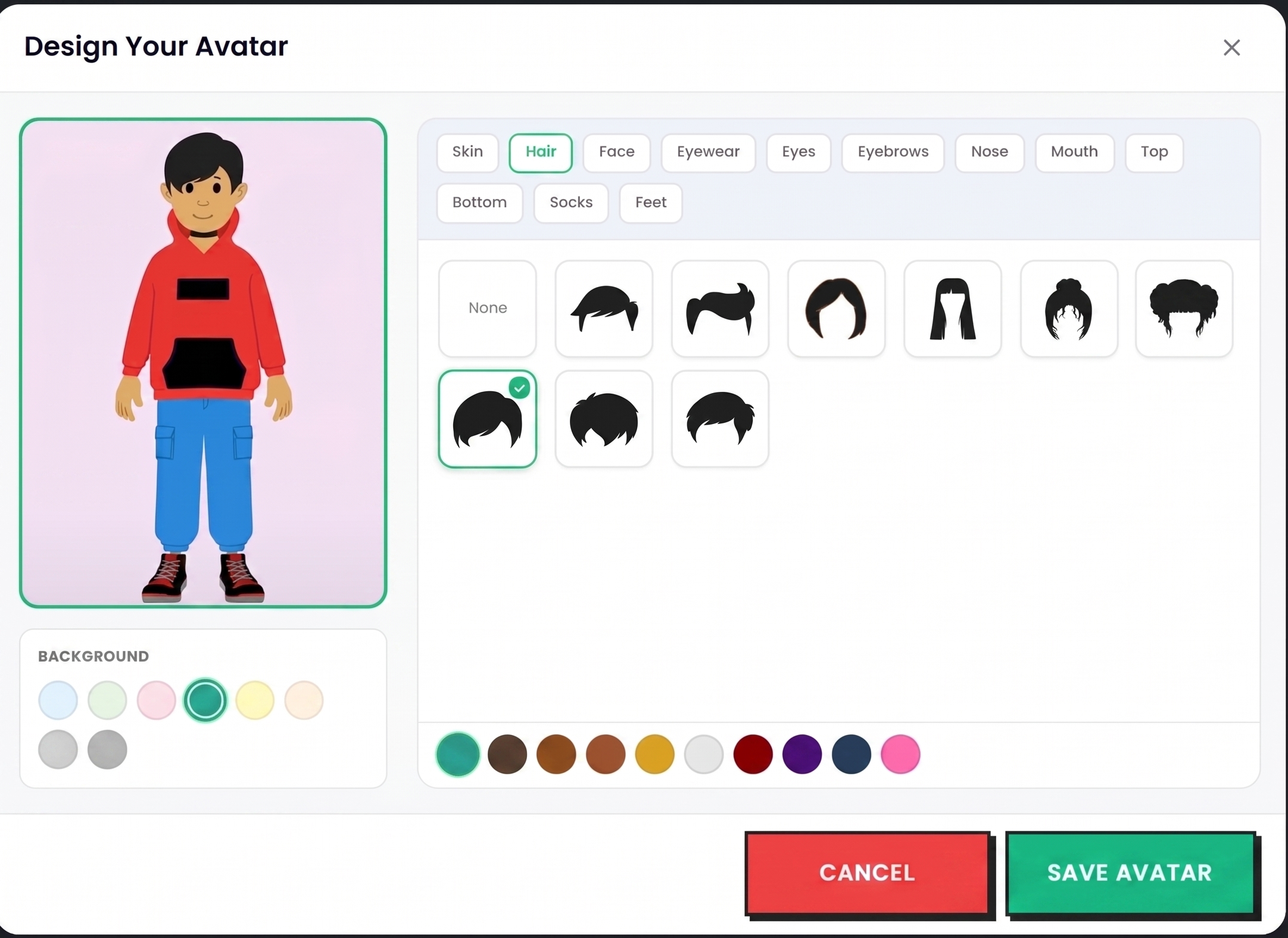
On Beat Modules, the first thing a student does is build an avatar. Sounds cosmetic, but it really isn't. A student who sees a version of themselves on screen engages with the content as theirs, not as a worksheet they've been told to complete. And the avatar isn't locked at sign-up. As students work through modules, they unlock new skins, outfits, and items to further customise their characters.
Unpredictability
Ever noticed when you're gripped by a film, you physically lean forward? You don't know what's coming next, and that not-knowing is what's got you so invested. Well, this same physiological mechanism also runs gambling addiction, mystery boxes, or refreshing your Instagram or Facebook feed at 11 pm at night.
Unpredictability is one of the oldest engagement mechanisms on record.
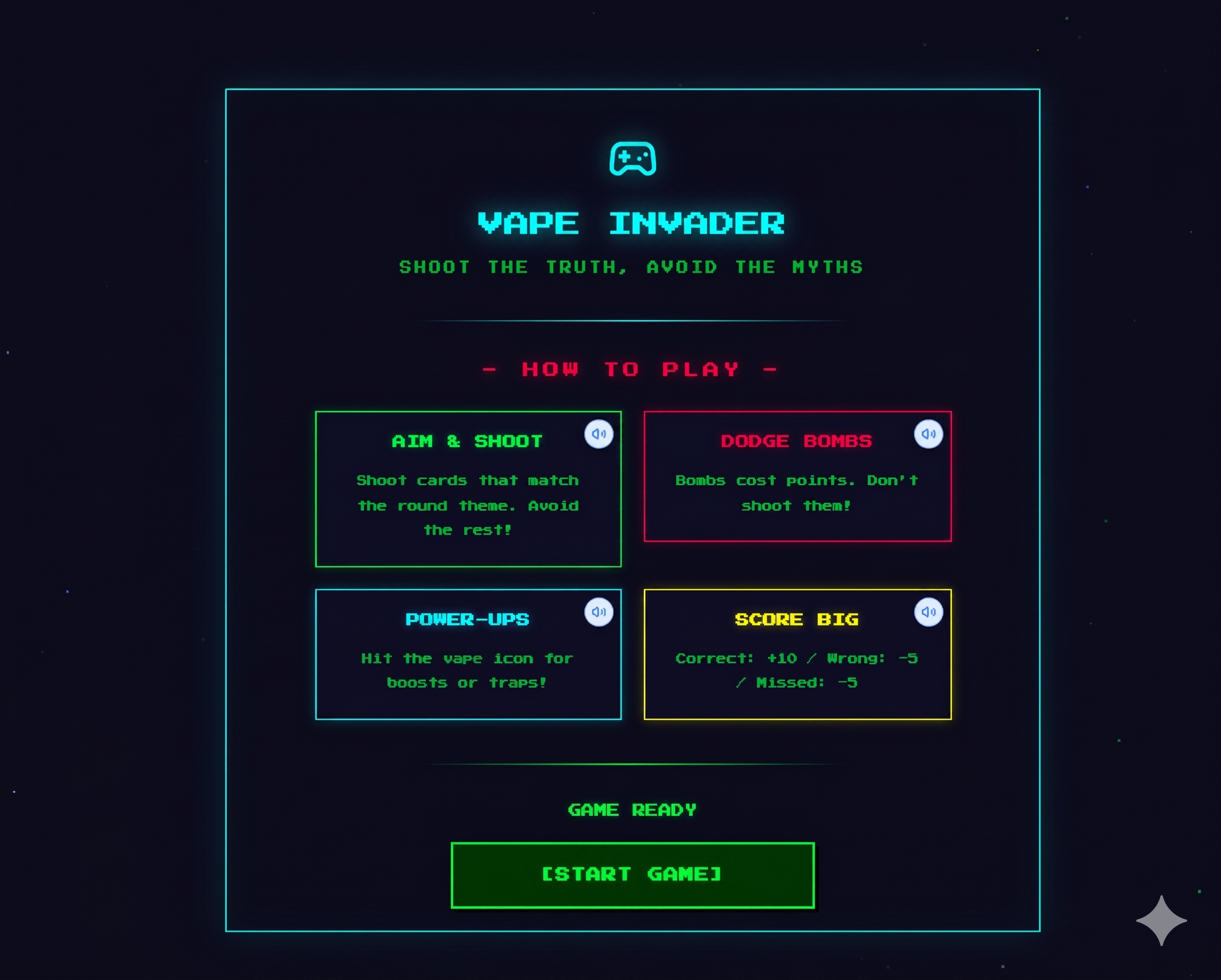
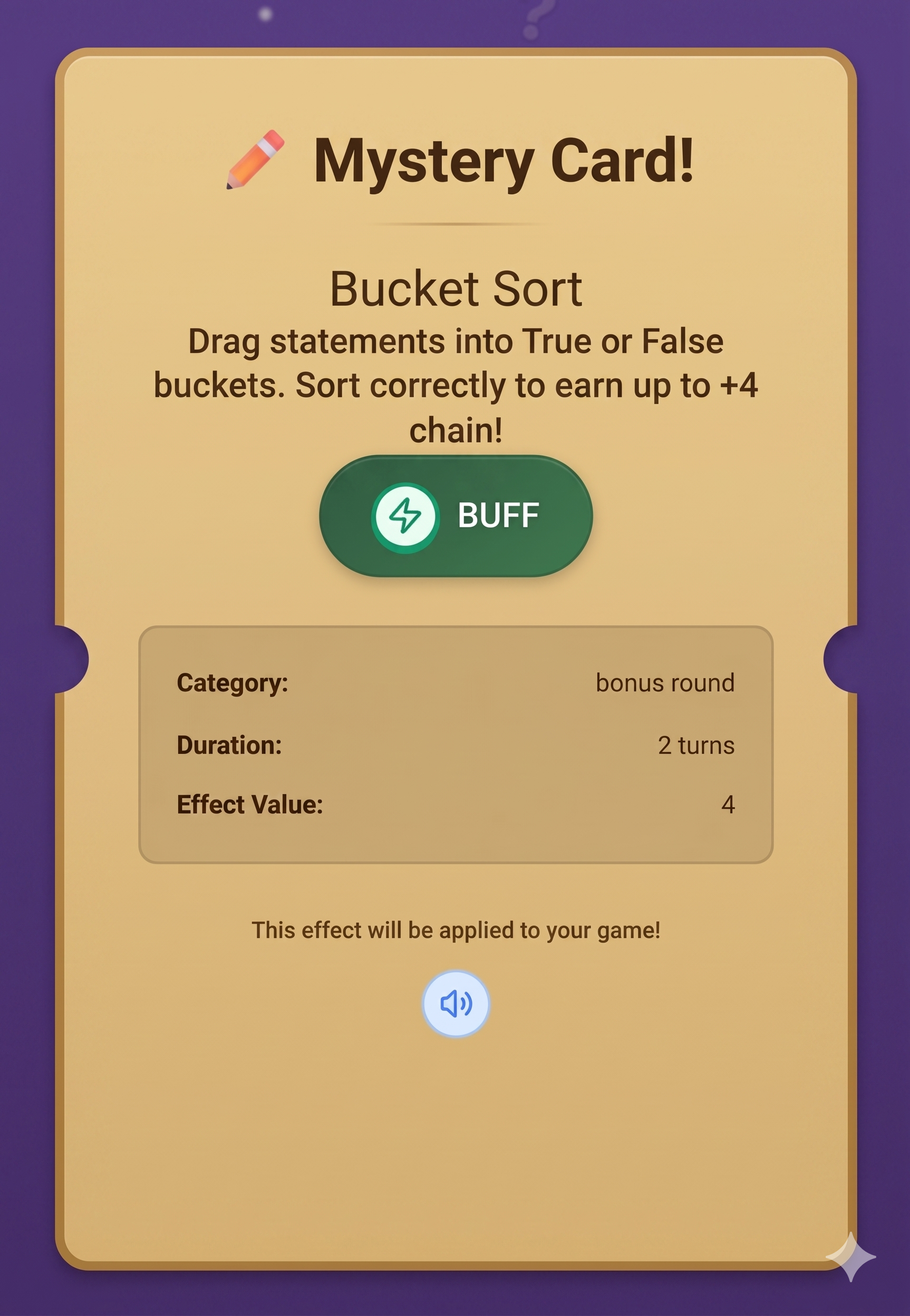
However, schools rarely use it. Beat Modules does. Several of our games run on mystery card mechanics. Students don't know which scenario will come next or which power-ups and setbacks they'll pull.
I know what you might be thinking, and no, Beat Modules is not unethical or a casino. That same pull can be harnessed for good, and learning is one of the best places to use it. Every card on our platform is designed to teach: a peer-pressure situation a student might realistically face, a question that stretches their thinking, a reward that reinforces a healthy choice. The suspense isn't separate from the learning; it's what amplifies it. Students are now leaning in rather than coasting through, and the points and collectables they earn along the way feel earned rather than automatic.
Progression and accomplishment
Deep down, everyone wants to accomplish something and see themselves improve in life.
Don't get me wrong, things can get in the way. Low self-confidence and being told what you're bad at more often than what you're good at. But strip blockers like that away, and the drive is there in everyone. It's why students revise for GCSEs, why runners track their times, and why anyone cares about promotions (besides the pay rise). Seeing yourself get better at something is intrinsically rewarding, and the research on this has been settled for decades.
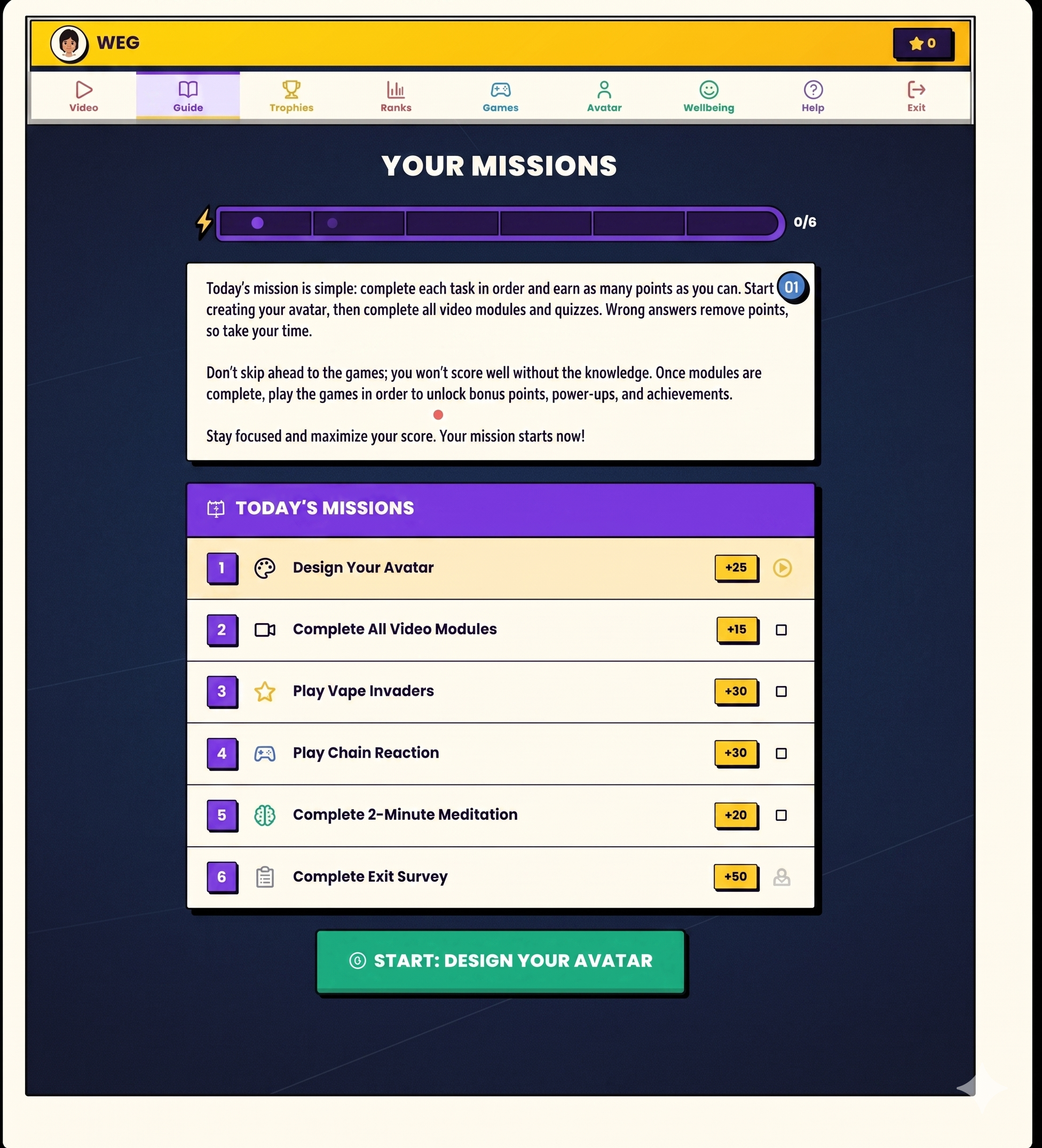
Beat Modules run on this from the first click. Every session, every video watched, every game played, every challenge completed, all of it earns points. Points roll into overall levels, and levels are the currency that unlocks new avatar skins, rarer collectables, and more ways for a student to customise their identity on the platform. This is where progression starts feeding back into self-expression and collection. The student who's progressed the furthest has the most distinctive avatar, and everyone else can see it.
Collection
Did you ever wonder why people collect stamps, rocks, trophies, Pokémon cards, or stickers?
Well,It's because this instinct is wired deep in our primitive brain. It dates back to our early hunter-gatherer days and barely changes across cultures. But collection isn't really about the object. It's about what the object says about you. A full stamp book says you stuck with it. A trophy shelf says you're a winner. And even a rare skin in Fortnite says you were there, you played enough, you earned it.
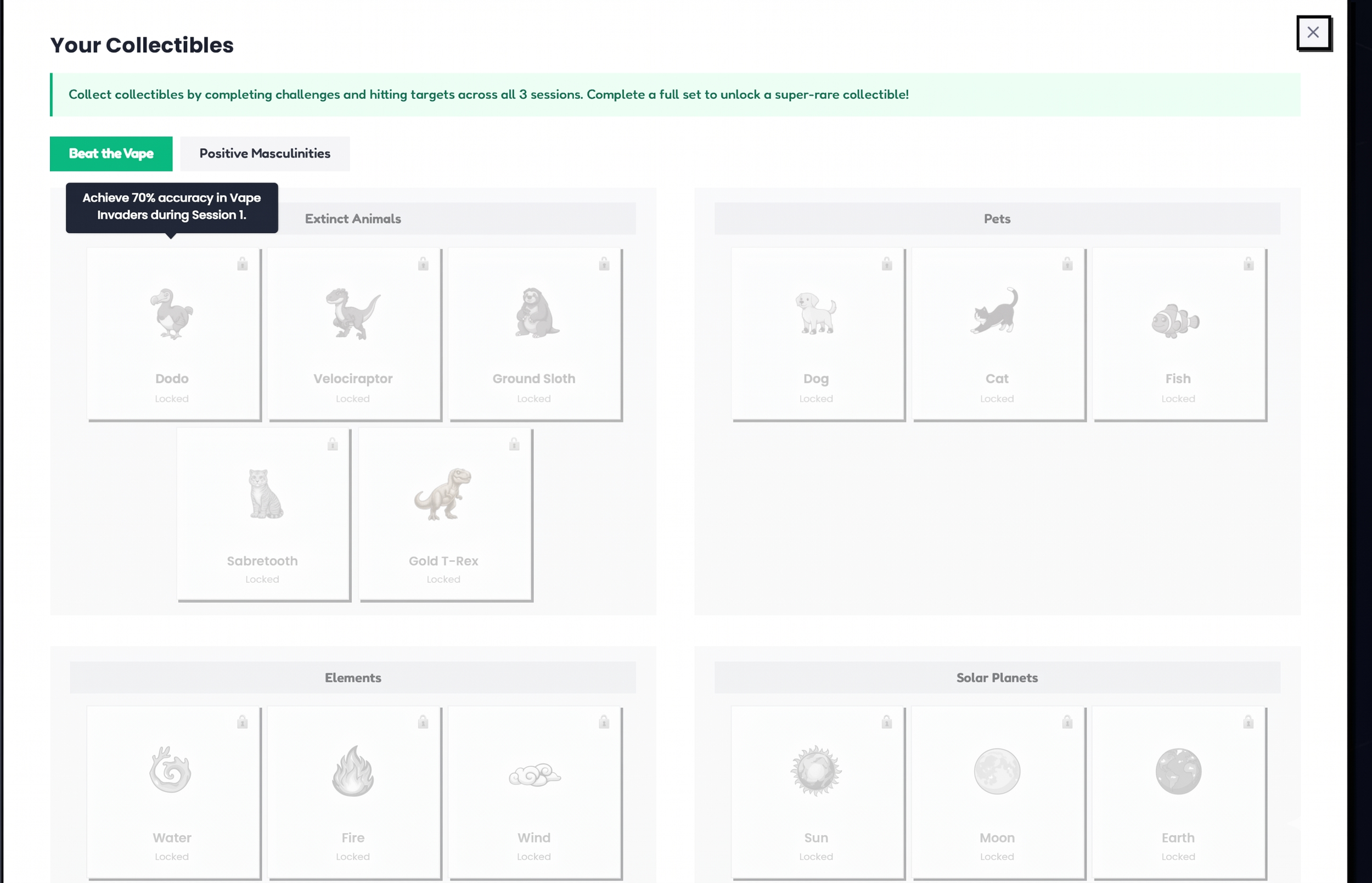
Beat Modules runs on the same principle. Students earn badges, collectables, and unlockable avatar items for completing challenges and performing in games. Some are easy, some are rare. All of them are visible to classmates. A student who finishes the vaping module with a full set of badges is carrying something around the platform that other students can see and recognise. And when other students see those badges, they want their own. Which is exactly what the next section goes into.
Social influence and relatedness
Any parent will tell you how intensely teenagers care about what their peers think. Social comparison is one of the biggest drivers of behaviour at this age. Most PSHE treats that as a problem to manage. We treat it as an engagement multiplier.
Anyone who's seen a Kahoot session knows how fast a classroom lights up when students can see each other's scores in real time. A quiet room turns into a competitive one in about thirty seconds. We've built that into our platform from the ground up, but pushed it further. During a Beat Modules session, classes compare scores in real time across the classroom and the world. Students want to beat the class next door, the other year groups, or the school down the road. So after the session, they see national rankings. A Year 9 in Liverpool finds out how their class stacks up against a Year 9 in Manchester.
Social influence also runs through the platform outside of live sessions. In the students’ waiting rooms, they can see each other's avatars, the skins they've unlocked, the badges they're wearing, and the trophies they've earned. That's where self-expression, collection, and social influence all connect. A student customises an avatar to express themselves. They earn collectables because progress feels good. They show off those collectables so other students can see them. And other students see them and want their own. That loop is what keeps students wanting to come back between sessions, not just during them.
Peer identification
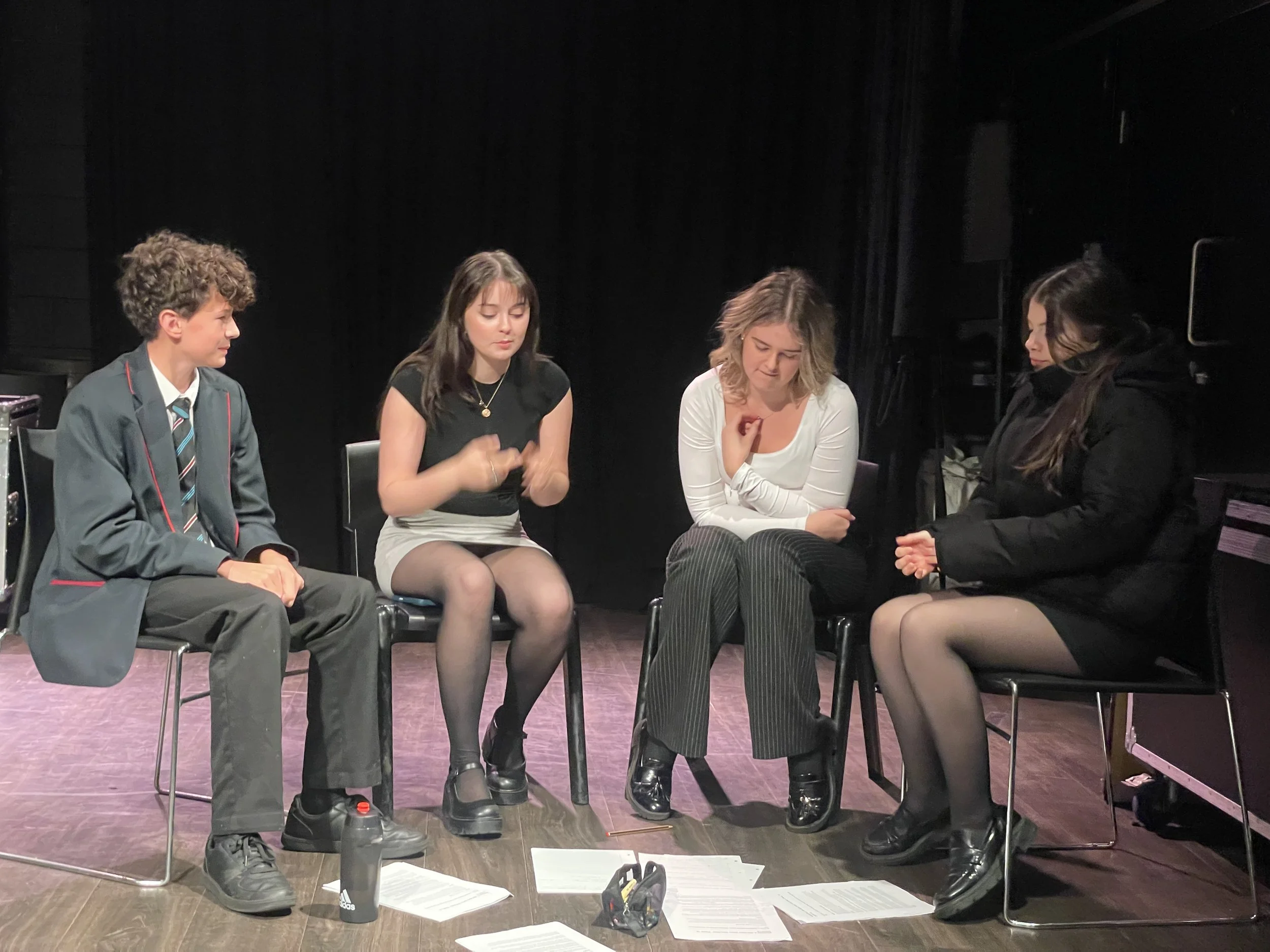
Peer identification is a bit different to the five above. It's more about how video content gets delivered than what students are wired to want. But it's central to how we work, so its worth naming. Most PSHE videos have historically been made by adults. Often with the best intentions, they usually miss the mark. Our videos are made with young people themselves, and peer voices land well ….better. Students recognise the tone, the slang, and the scenarios. They trust it in a way they won't trust a teacher, a parent, or someone old like me (And I am only 25, by the way). We keep clips to 60-90 seconds because that's how students consume content now. Fighting TikTok-era attention spans is a losing battle, and we'd rather work with them.
The point of all this
Zoom out from the six principles for a second. Stack them together, and what you get is a platform where students walk in expecting another PSHE lesson and walk out having actually engaged with content on vaping, masculinities, or digital wellbeing. Not because they were told to but because the platform was built around how they're already wired to learn.
That matters because engagement isn't the end goal. It's the only route to behaviour change, which is what Beat Modules was really desinged for. A student who zones out during a vaping lesson hasn't learned anything they'll use on a Friday night when their mates pressure them to vape.
However, a student who's competing against the class, earning collectables for getting those questions right, and watching their avatar level up in real time is paying attention. And when they're paying attention, they're actually working through the scenarios, which is where the decision-making gets practised.
Same with masculinities. They don't just learn about active bystander techniques. They've practised using them in our scenario games, and that's something they can draw on the next time they see it happen for real. That's skill development.
What's next
If you're a PSHE lead, teacher, or youth worker reading this and thinking your students deserve better than what they've been getting, we'd like to talk. A lot of the schools we work with already had an external PSHE provider in place when they came to us. They bring Beat Modules in because they want core topics like vaping, masculinities, and digital wellbeing covered properly, not as a bolt-on.
Book a demo. We'll walk you through the platform live, show you a session from a student's perspective, and answer any questions on safeguarding, data, or curriculum alignment.
Try it for free. We run free pilot sessions for schools and youth centres that want to test it with their students before committing. No catch or sales pressure.
Get in touch at info@beatmodules.com or visit www.beatmodules.com, and we'll set it up.
