


Beat Toxic Masculinities
Meet the new September 2026 statutory guidance requiring schools to tackle misogyny and harmful online influences. Three evidence-based sessions that help boys aged 11-17 explore healthy masculinity, respectful relationships, and emotional literacy through content they actually engage with.
Aligned with PSHE statutory guidance, the programme supports safeguarding and VAWG priorities without requiring specialist training.
The Problem
Harmful Online Influences
Rising Peer-on-Peer Harm
Boys are increasingly exposed to online content promoting harmful ideas about masculinity, dominance, and emotional suppression. Manosphere influencers normalise misogyny and coercive behaviour as "strong" masculinity.
Schools and youth settings report increasing misogynistic language, peer-on-peer harm, and emotionally closed behaviour in boys. The 2026 statutory guidance makes addressing this mandatory.
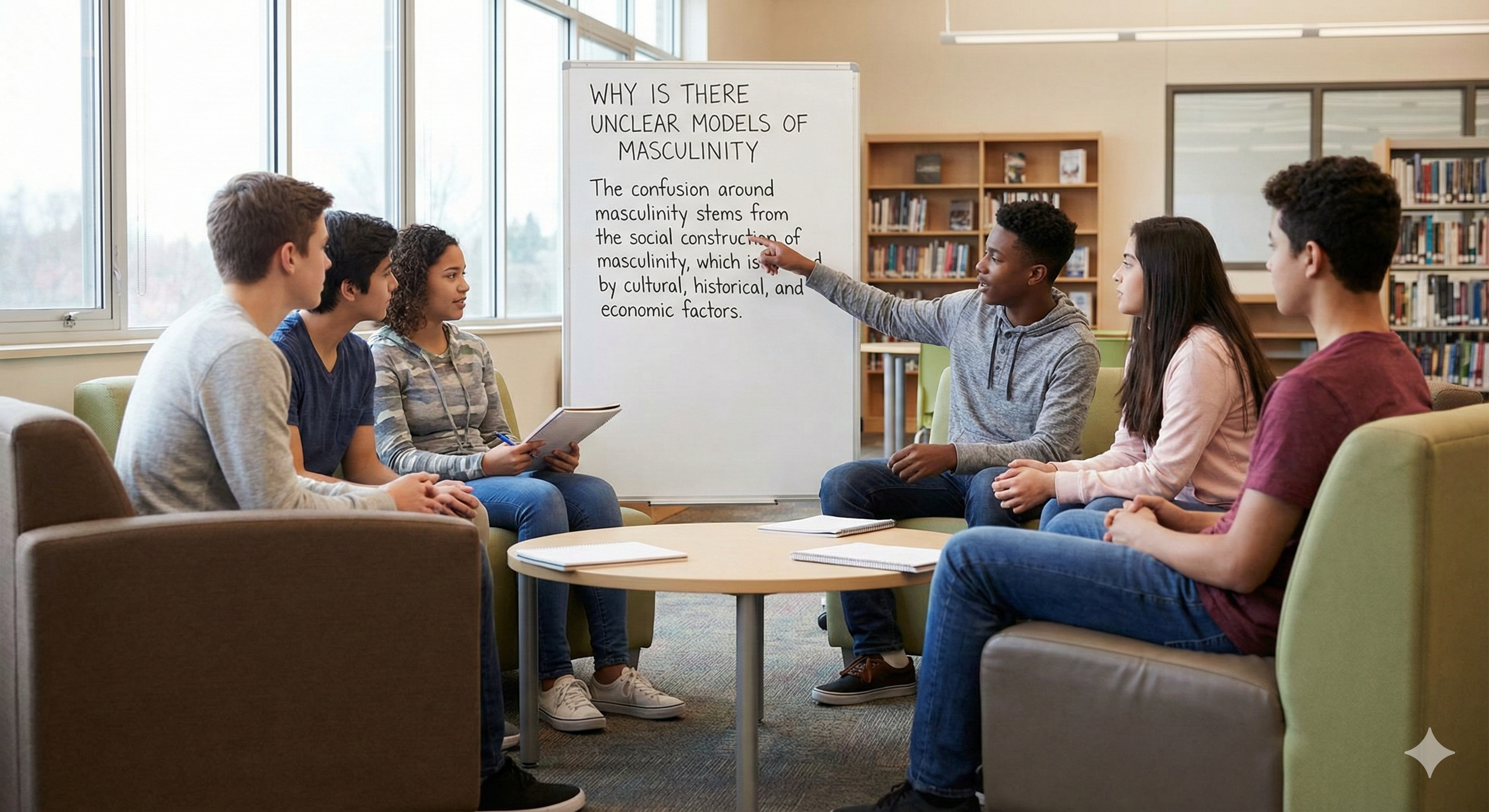

Many young people are unsure what healthy masculinity looks like in friendships, relationships, and online spaces. Without clear frameworks, harmful models fill the gap.
Teachers and youth workers face growing pressure to address these issues without sufficient time, training, or ready-to-run resources that don't stigmatise boys.


Limited Capacity to Respond
Unclear Models of Masculinity

Our Solution
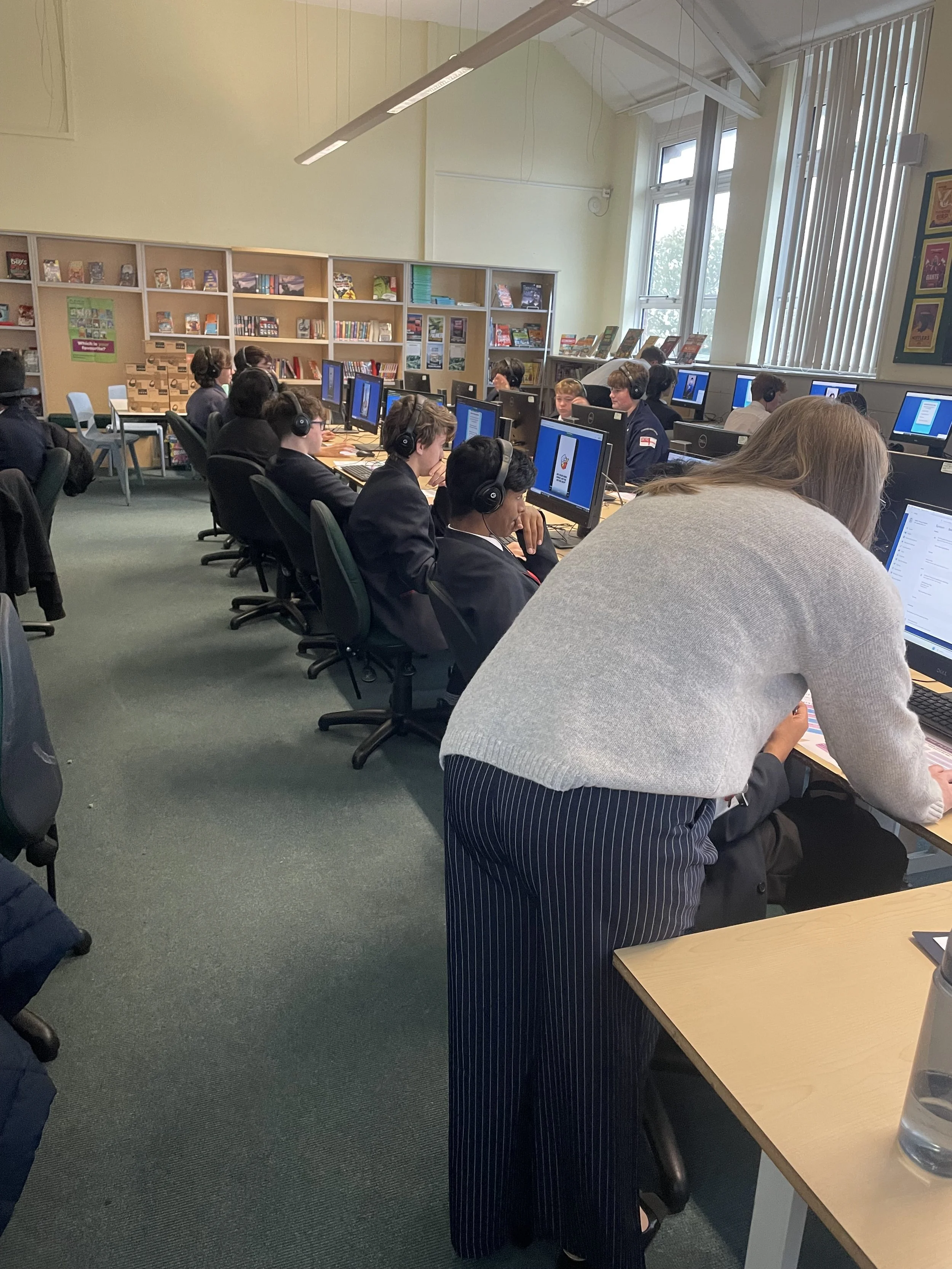
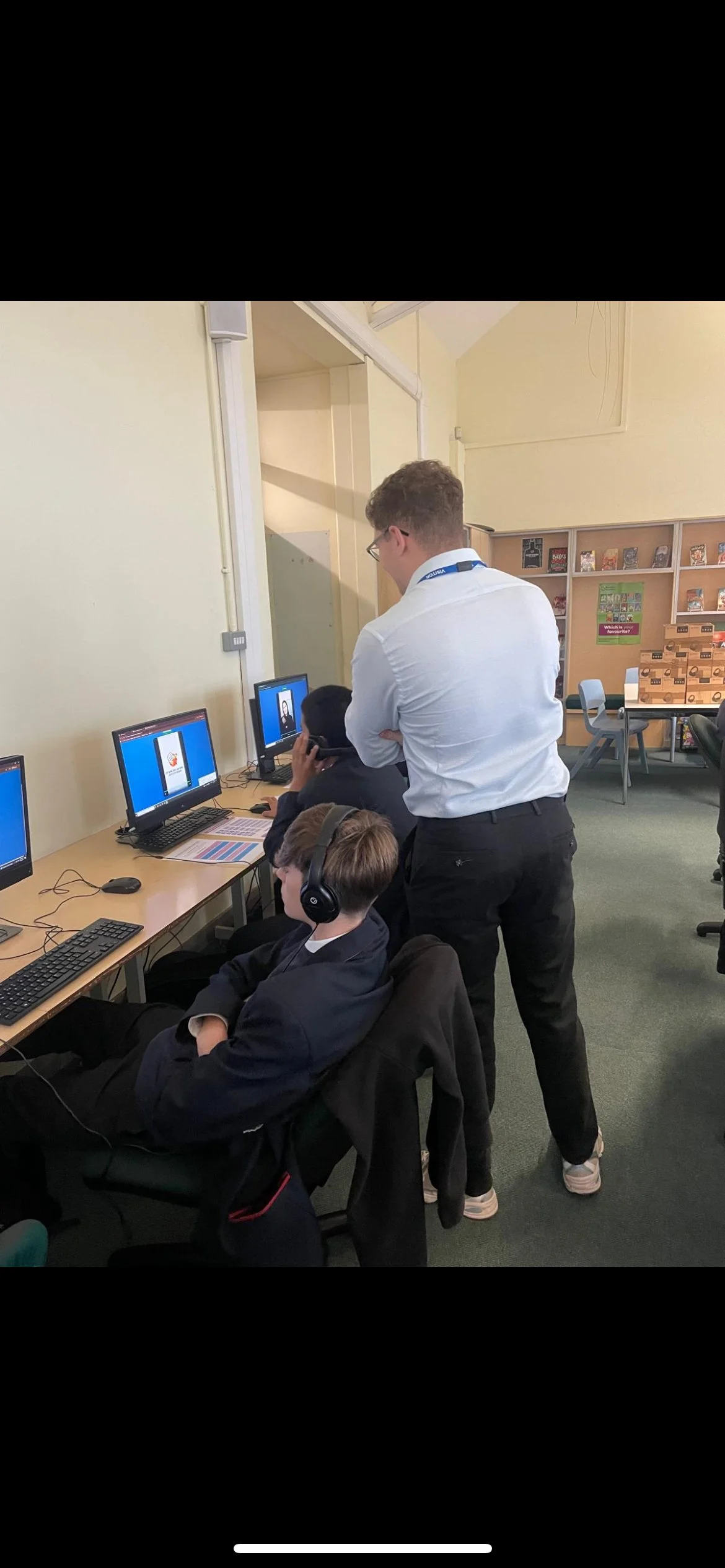
Delivers structured, multi-session digital learning embedded into lessons or youth sessions.
1
Uses youth-led short-form video, interactive digital activities and games, and guided practice and reflection to maintain engagement. Includes AI-powered scenario practice where students rehearse responding to peer pressure, online influence, and relationship situations before facing them in real life.
2
Frames masculinity as healthy vs unhealthy, not "right vs wrong" avoiding lectures while building critical thinking about influence, respect, and consent.
3
Reduces facilitation burden while supporting safe, confident discussion and aligns with RSHE, safeguarding, and VAWG priorities without stigmatising boys. – accessible for SEND students, no specialist training required, works within school wifi constraints.
4
Programme structure and release timeline
-
The Positive Masculinities module follows the same structured format as the Beat the Vape programme and is delivered across three connected sessions, designed to be run sequentially over time.
-
Session 1 of the Positive Masculinities module launches on 22 February, with further sessions released as part of the full three-session programme.
-
Each session addresses a specific theme, including masculinity and online influence, emotional literacy and pressure, and respectful relationships, boundaries, and peer culture.
Session 1: Understanding masculinity – What does "being a man" actually mean? Exploring healthy vs harmful models, recognising online manipulation and influencing tactics, and building emotional vocabulary.
Session 2: Relationships and respect – Consent, boundaries, and recognising coercive behaviour. Understanding what healthy relationships look like and practising skills through an educational game and AI simulation scenarios.
Session 3: Bringing it together – Reflecting on personal values, building self-awareness, challenging harmful peer culture, and building confidence to act differently through a reflective chatbot.
-
Sessions are designed for use within lessons or facilitated youth sessions, featuring clear prompts and activities that support safe discussions without requiring specialist training.
-
Schools, youth organisations, and partners can begin conversations with us now to plan delivery, access early information, and discuss timelines ahead of the full release. please contact us via website form
Choose your plan
All prices shown below are for a single BeatModules Package per academic year. Each module is licensed separately. Discounted pricing is available when multiple modules are purchased together.
KS3 or KS4 Package
From £500
3 sessions a Year
All videos/games included
Parent videos/resources
All AI behaviour change scenarios
KS3 and KS4 Packages
From £800
3 sessions a Year
All videos/games included
Parent videos/resources
All AI behaviour change scenarios
Independent Schools
Contact for pupil-based pricing
3 sessions a Year
All videos/games included
Parent videos/resources
All AI behaviour change scenarios